Best Bike Chain Lubes (2026): Wet vs Dry vs Wax, and Which One Your Chain Actually Needs
The $12 Bottle That Saves Your $300 Drivetrain
A dry chain squeaks. A gritty chain grinds. And a neglected chain wears out your cassette and chainrings along with it, turning a $30 chain replacement into a $300 drivetrain rebuild. Chain lube is the cheapest maintenance item you own, and it is also the one most riders get wrong, usually by buying whatever bottle was closest to the checkout and then either drowning the chain in it or forgetting about it for six months.
This guide fixes that. You will learn what wet, dry, and wax lubes actually do differently, which one matches the riding you really do, and which bottles are worth your money. The picks below are research-based comparisons of specs, price, and owner consensus, not hands-on test claims. Prices move around, so treat the figures here as typical US prices at the time of writing and check the current price before you buy.
As an Amazon Associate, Repair My Bicycle earns from qualifying purchases.
Quick Picks: The Short Version
If you just want a bottle and a reason, here it is:
- Most riders, most places: Rock N Roll Gold — an all-conditions drip lube that cleans as it goes and suits riders who do not want to think about seasons.
- Dry, dusty, or gravel riding: Squirt Chain Lube — a wax emulsion that keeps the chain remarkably clean.
- Wet weather and winter commuting: Finish Line Wet Lubricant — thick, stubborn, and built to survive rain.
- Best value dry lube: Finish Line Dry Lube — cheap, widely available, and good enough for fair-weather riders.
- Cleanest drivetrain, lowest fuss wax: Silca Super Secret Chain Lube — drip wax performance at a premium price.
- Budget all-rounder with ceramic hype: Muc-Off C3 Ceramic Dry Lube — a dry ceramic option for riders who like the brand and the price.
One bottle lasts most casual riders a full season or more. Even the priciest pick here costs less than a single shop drivetrain service, and a lubed chain lasts measurably longer than a dry one. This is the best return on money in all of home bike maintenance.
Wet vs Dry vs Wax: What Is Actually Different?
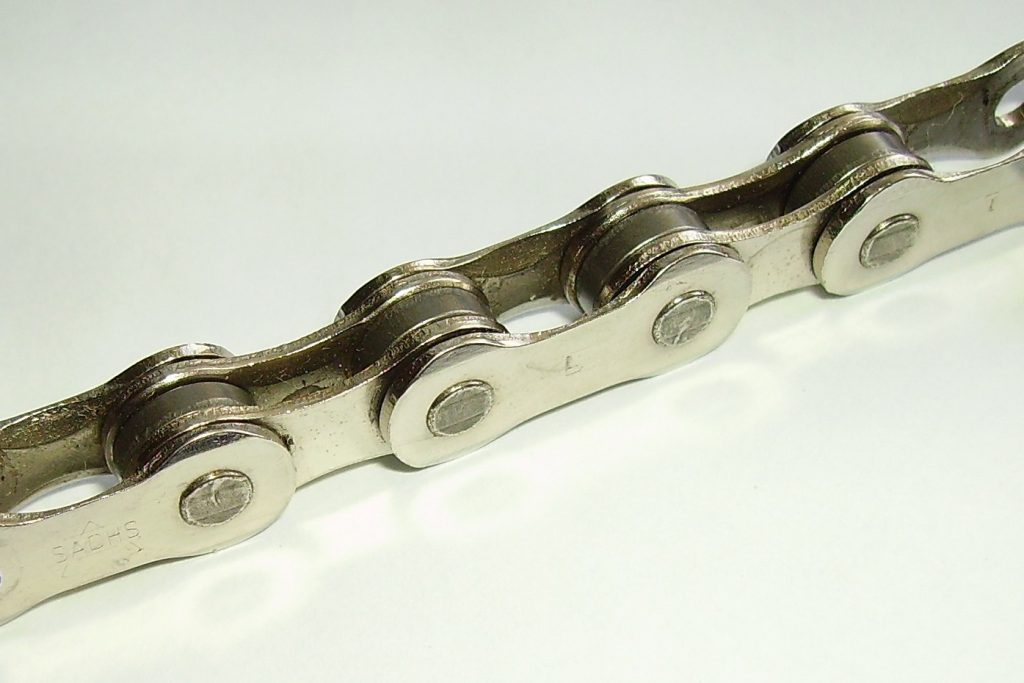
Every chain lube has the same job: get lubricant inside the chain, between the pins and rollers where metal rubs on metal, and keep it there while keeping grit out. The three families just solve that job in different ways, and each one trades cleanliness for durability.
Wet lube
Wet lube is oil. It stays liquid on the chain, clings through rain and mud, and keeps working long after a dry lube would have washed away. That persistence is its strength and its weakness: a wet, sticky chain collects dust, sand, and road grit, and that grit becomes a grinding paste. Wet lube is the right call when water is the enemy, meaning rain, mud, slush, and winter road salt. It is the wrong call for dry gravel and dusty trails, where it turns your drivetrain black in one ride.
Typical reapplication: after every wet ride, or every 150 to 300 miles in mixed conditions. Wipe the chain after every ride to slow the grime buildup.
Dry lube
Dry lube carries its lubricant in a thin carrier fluid that evaporates after application, leaving a drier film behind. It picks up far less dirt, so the chain stays cleaner and quieter on dry roads and dusty trails. The tradeoff is durability: rain washes it off, sometimes in a single downpour, so it needs reapplying more often. Traditional dry lubes are also thinner than wet lubes, so independent wear testing tends to rank them behind wax and good wet lubes for outright chain life. They win on cleanliness and convenience, not on longevity.
Typical reapplication: every 100 to 200 miles in dry conditions, and after any ride in real rain.
Wax lube (drip wax and hot-melt wax)
Wax lube leaves a dry wax coating on the chain instead of an oil film. Dirt does not stick to it, so a waxed chain stays clean to the touch, and in dry conditions wax consistently posts the lowest chain wear in independent lab testing. That is why wax has gone from a racer-only trick to the default recommendation for dry-road and gravel riders.
There are two kinds. Drip wax comes in a bottle and applies like any other lube, with a longer drying time. Hot-melt wax means removing the chain, stripping it completely clean, and dipping it in melted wax, usually in a slow cooker. Hot melt gives the best results and the most work: a full strip and dip takes an hour or more the first time, plus a spare chain or a quick link makes the job far easier. Drip wax gets you most of the benefit with a fraction of the effort, and it is the right starting point for most riders who are curious about wax.
Typical reapplication for drip wax: every 200 to 300 miles in dry conditions, after wiping the chain clean. Wax hates two things: a dirty chain underneath it, and oil mixed in on top of it. Never top up a waxed chain with oil lube, and never wax over a grimy chain. Pick a family and commit to it, or strip the chain clean when you switch.
Which Lube Matches Your Riding?
Forget the marketing. Answer these three questions and the choice mostly makes itself:
- What is the ground like where you ride? Dust and dry gravel point to dry lube or wax. Rain, mud, and slush point to wet lube.
- How often will you actually maintain the chain? If the honest answer is “rarely,” a wet lube or an all-conditions lube forgives neglect better than a dry lube that washes off. If you enjoy a ten-minute ritual after rides, wax rewards you.
- Do you ride through winter? Road salt and slush are wet lube territory, full stop. Save the wax for spring.
For riders in southern Ontario and the northern US, where one week brings rain and the next brings dusty rail trails, an all-conditions lube or a two-bottle setup (wet for winter, wax or dry for summer) covers the year. A single bottle of all-conditions lube is fine if you would rather just ride.
If you ride an e-bike, the same rules apply with higher stakes: motor torque loads the chain harder, so a worn chain shows up faster. Keep the chain lubed and check it for wear more often, not less.
The Picks, In Detail
1. Rock N Roll Gold: the best all-conditions pick for most riders
Rock N Roll Gold is a 4 oz drip lube that sits between the wet and dry camps: it goes on wet, carries dirt off the chain as it penetrates, and leaves a dry-ish film behind. Owners consistently praise it for quiet running and for how clean the chain stays compared with a straight wet lube. It is not the longest-lasting option in rain, and it is not the cleanest option in dust, but it is the bottle most riders can buy once and stop thinking about. Typical price: around $13 to $16 for 4 oz.
Buy it if: you ride a bit of everything, you want one bottle, and you will reapply every couple of weeks. Skip it if: you ride in constant rain and want maximum staying power, or you want the absolute cleanest chain wax can give you.
2. Squirt Chain Lube: the cleanest easy wax
Squirt is a wax-and-water emulsion in a 120 ml bottle, biodegradable, and famous for how clean it keeps a chain in dry and dusty conditions. It needs a clean chain to start: apply it to a degreased, dry chain, let it dry fully, and then reapply over the top on subsequent rounds rather than stripping each time. Owners report very long intervals between applications in dry weather and a chain that stays clean enough to touch. In sustained wet weather it washes out faster than a wet oil, so it is a fair-weather specialist, not a winter lube. Typical price: around $14 to $16 for 120 ml.
Buy it if: you ride dry roads, gravel, or dusty trails and hate black drivetrain grime. Skip it if: your riding is mostly rain and mud.
3. Finish Line Wet Lubricant: the rain and winter workhorse
Finish Line Wet is a thick synthetic oil built for the worst conditions: long rainy rides, muddy trails, and winter commuting through slush and salt. It clings when lighter lubes wash away, and it protects against rust during months when the bike lives damp. The price is grime: a wet-lubed chain gets dirty fast, so wipe it down after rides and clean the drivetrain properly on a regular schedule, or the grit it collects will wear the chain faster than the lube saves it. Typical price: around $10 to $13 for a 4 oz bottle.
Buy it if: you commute or ride through rain, mud, and winter. Skip it if: you mostly ride dry trails, where it will just collect dust.
4. Finish Line Dry Lube: the cheap, everywhere fair-weather bottle
Finish Line Dry is the original mass-market dry lube, now formulated with a ceramic boron nitride additive that sets up as a dry, wax-like film. It is inexpensive, sold in nearly every bike shop, and perfectly good for fair-weather road and trail riding. It will not last as long as Squirt or Silca in wear tests, and it will wash off in rain, but at this price that is a fair trade for a rider who lubes often and rides mostly in the dry. Typical price: around $10 to $13 for a 4 oz bottle.
Buy it if: you want the cheapest competent dry lube and you do not mind reapplying often. Skip it if: you want the longest chain life or ride in rain regularly.
5. Silca Super Secret Chain Lube: drip wax for riders who want the best
Silca Super Secret is a drip wax loaded with tungsten disulfide, designed to bring hot-melt wax performance to a squeeze bottle. The manufacturer recommends a very clean, dry chain, one drop per link, and at least 12 hours of drying time (24 in cool or humid weather), ideally applied after a ride so it is ready for the next one. Owner consensus puts it among the quietest, cleanest-running drip lubes available, and independent testing ranks it near the top for low wear in dry conditions. The catch is price and patience: around $25 for a 4 oz bottle, and it punishes sloppy application more than a forgiving oil does. Typical price: $16 for 2 oz, $25 for 4 oz, $45 for 8 oz direct from Silca.
Buy it if: you want wax performance without removing your chain, and you will follow the drying time. Skip it if: you want a lube you can apply five minutes before a ride.
6. Muc-Off C3 Ceramic Dry Lube: the popular ceramic dry option
Muc-Off C3 Ceramic Dry is a 120 ml dry lube with ceramic particles, aimed at dry and dusty conditions with a claim of longer intervals between applications than a basic dry oil. It is widely stocked, mid-priced, and popular with riders who already use Muc-Off cleaners. Treat the ceramic claims the way you should treat all lube marketing: the real-world difference between competent dry lubes is small compared with the difference between lubing regularly and not lubing at all. Typical price: around $13 to $16 for 120 ml. Muc-Off also makes a C3 Ceramic Wet Lube for riders who like the line but ride in rain.
Buy it if: you like the Muc-Off system or want a solid dry lube at a mid-range price. Skip it if: you want wax-level cleanliness or wet-weather durability.
Hot-melt wax: worth knowing about, not required
If you fall in love with drip wax, the next step is hot-melt wax: a fully stripped chain dipped in melted wax, such as Silca Hot Melt Wax or a bulk paraffin setup. It is the lowest-wear, cleanest-running option in dry conditions, and the most work: stripping a new chain takes multiple solvent baths, you need a slow cooker you will never cook food in again, and you need a quick link to get the chain on and off. For a high-mileage rider it pays off in chain and cassette life. For most average cyclists, drip wax delivers most of the benefit for a tenth of the effort, so start there.
How to Lube a Chain Properly (10 Minutes, No Stand Required)
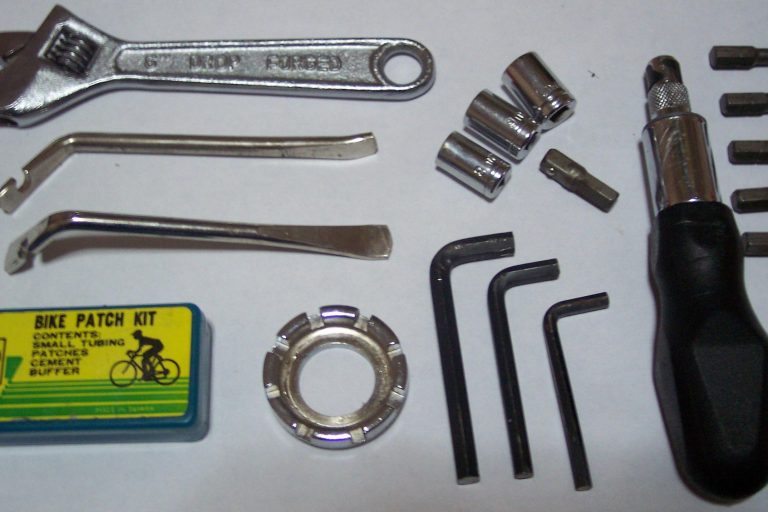
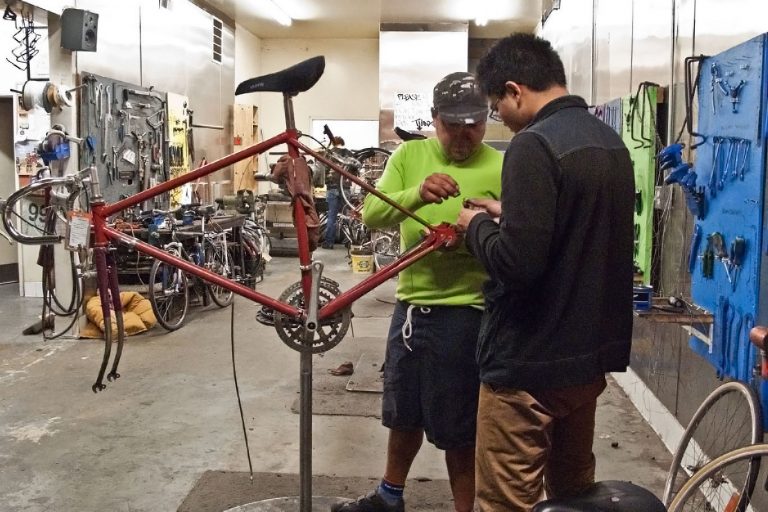
You do not need a repair stand for this job, though one makes it easier. A stand, a rag, and your bottle are the whole toolkit. If you are building out your home shop, our essential home mechanic tool kit guide covers the rest of the basics.
- Clean first, or at least wipe. If the chain is gritty or you are switching lube families, degrease it and let it dry completely. For a routine top-up, a firm wipe with a dry rag to remove surface grit is enough. Never lube over mud.
- Find the lower run of chain. Shift into the big chainring and a middle cassette cog. The lower run, between the chainring and the rear derailleur, is where you apply.
- One drop per roller, backpedalling slowly. Hold the bottle over the chain and put one small drop on each roller as you turn the cranks backward. Go all the way around until you reach your starting point. A master link or a marked link makes this easy to track.
- Work it in. Backpedal a dozen or so revolutions and shift through a few gears so the lube reaches inside the links. The lube belongs inside the chain, not on the outer plates.
- Wipe off the excess. Thoroughly. Hold a clean rag around the lower run and backpedal through it several times, moving to a clean section of rag. With wet lube, wipe a second time. Excess lube on the outside only attracts grit.
- Let it set. Dry lubes need a few hours to set up; drip wax needs at least 12 hours for best results. Lube the night before a ride whenever you can. If you must ride right away, a quick lube-and-wipe still beats a dry chain.
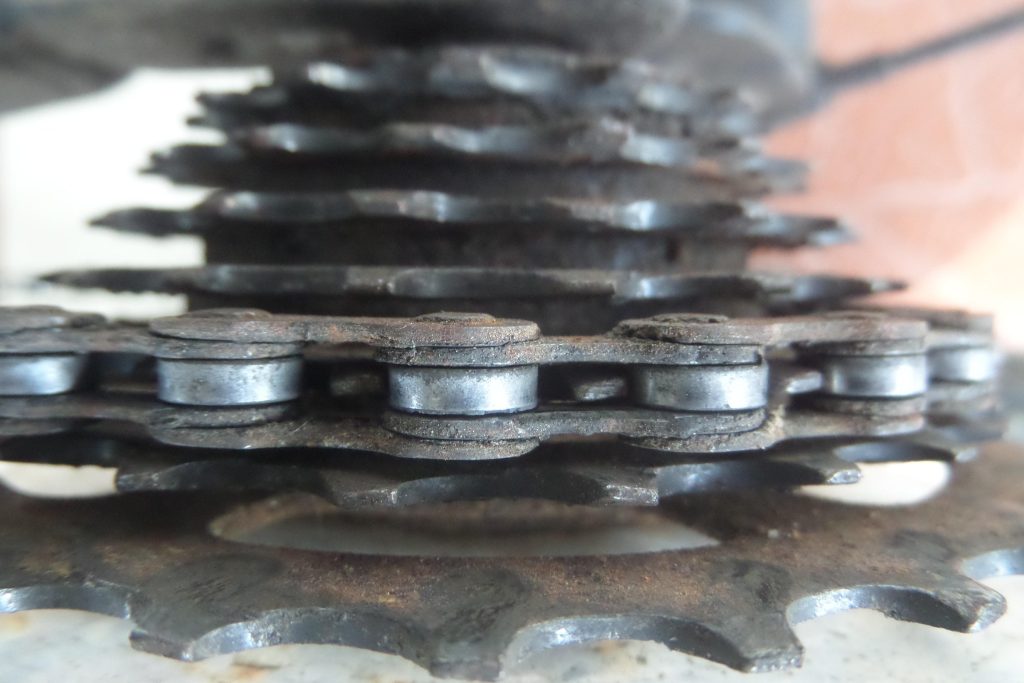
Two mistakes account for most bad chain-lube experiences. The first is over-lubing: more lube does not mean more protection, it means more grit stuck to your chain. The second is lubing a dirty chain: fresh lube over old grit just seals the abrasive paste in place. Wipe, drip, wipe again, and you are ahead of most riders.
How Often Should You Reapply?
There is no single mileage number, because rain, dust, and mud change everything. Use these as starting points and adjust to what your chain tells you:
- Dry lube: every 100 to 200 miles in dry conditions, and after any ride in real rain.
- Wet lube: after every wet or muddy ride; every 150 to 300 miles in mixed conditions.
- Drip wax: every 200 to 300 miles in dry conditions, after wiping the chain clean first.
- Any lube: immediately, if the chain squeaks, looks dry, or feels gritty. A squeaking chain is already wearing faster than it should.
A quick wipe with a dry rag after every ride extends every interval above. It takes thirty seconds and it is the single highest-value habit in chain maintenance.
The Cost Math: Lube vs Chain vs Drivetrain
A bottle of chain lube costs $10 to $25 and lasts most riders a season or more. A replacement chain costs roughly $25 to $50 depending on speed and brand, and it is a wear item: check it with a chain wear gauge and replace it before it stretches far enough to damage the cassette. A worn chain left too long chews through cassette teeth and chainrings, and a full drivetrain replacement can run several hundred dollars in parts alone, before any shop labour.
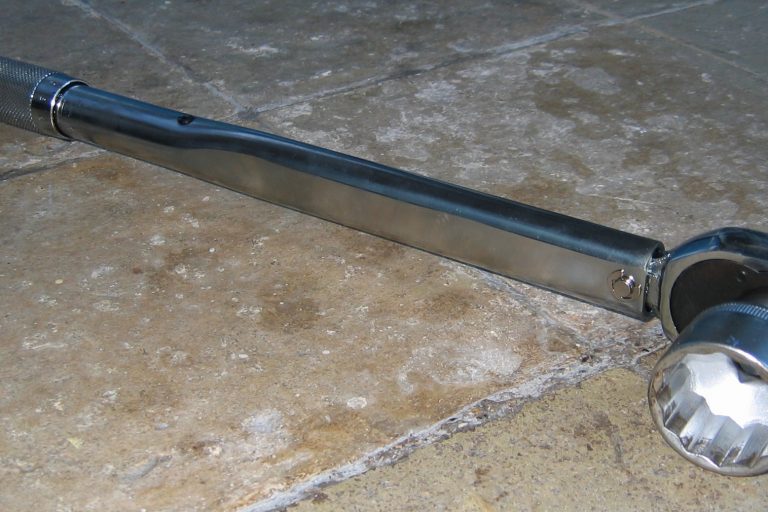
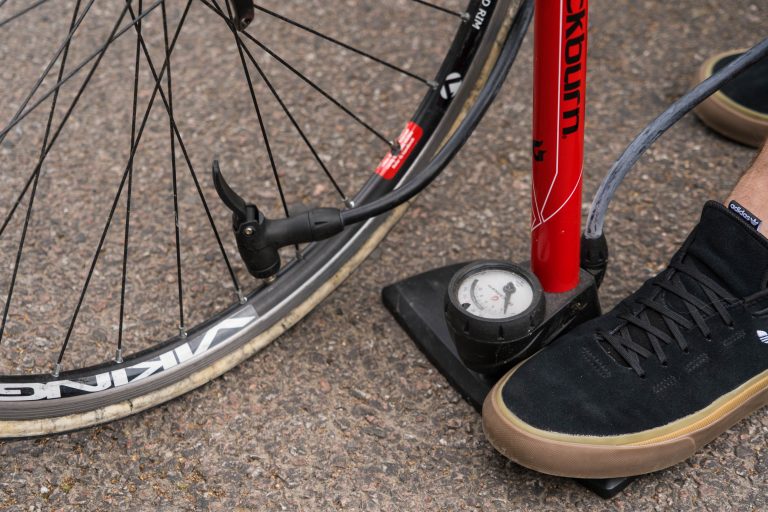
The shop comparison is just as stark. A basic shop tune-up typically runs well over $100, and a drivetrain replacement with labour runs several times that. A $15 bottle of lube, a $15 chain checker, and ten minutes every couple of weeks keeps you out of that territory. If you are pricing out the rest of a home setup, our guides to floor pumps and torque wrenches cover the next two tools most home mechanics buy.
One caution on the numbers above: chain, cassette, and shop prices vary a lot by drivetrain speed and region. Check your bike’s manual for its chain spec, and treat any price in a buying guide as a starting point, not a quote.
Frequently Asked Questions
Can I mix wet and dry lube?
You can, but you should not expect good results. A dry lube applied over wet oil may never set up properly, and oil over wax makes a paste that traps grit. If you want to switch families, degrease the chain, dry it fully, and start fresh.
Can I use WD-40 or motor oil on my chain?
No. WD-40 is a solvent and water displacer, not a chain lubricant: it strips existing lube out and leaves the chain drier than before. Motor oil is too thick and sticky for a bicycle chain and attracts grime. Use a purpose-made bicycle chain lube.
Does a new chain need lube?
New chains ship coated in a thick factory grease that protects against rust in storage. It is sticky and attracts dirt, so most mechanics recommend stripping it and applying your chosen lube before the first serious ride, or at least after the first few rides. Check your chain manufacturer’s guidance if you are unsure.
How do I know when my chain is worn out?
Use a chain wear checker, a $10 to $20 tool that drops into the chain and tells you at a glance. As a rough guide, replace 11- and 12-speed chains around 0.5 percent stretch and 10-speed and below around 0.75 percent, but check your drivetrain manufacturer’s recommendation for your exact setup. A chain checker pays for itself the first time it catches a worn chain before it eats your cassette.
Is wax worth it for a casual rider?
Drip wax is, for most dry-weather riders: it applies like any bottle lube, keeps the bike cleaner, and lasts longer between applications. Hot-melt wax is worth it only if you enjoy the process or ride high mileage. Start with drip wax and see if you like the routine before buying a slow cooker.
The Bottom Line
Buy the lube that matches the weather you actually ride in, apply one drop per roller, wipe off the excess, and reapply on a schedule instead of waiting for the squeak. For most riders that means Rock N Roll Gold as a single-bottle answer, Squirt or Silca drip wax for dry and dusty riding, and Finish Line Wet for rain and winter. The bottle costs less than a pizza. The drivetrain it protects costs hundreds. Fix it yourself. Ride more.
Follow Repair My Bicycle on Facebook for more practical repair guides: https://www.facebook.com/repairmybicycle